
Exclusive Discount | 5% Off Sitewide - Verified

Special Offer | Up To 30% Off Sale Items
Take Up To 15% Discount On Fruit & Veg Cages
Buy And Save Up To 15% On Garden Pest Control
Enjoy Free Shipping On All Orders
5% Off Your First Order When You Sign Up
Gardening naturally in a natural way transcends mere trend; it embodies a conscious approach to cultivating plants that aligns with nature rather than opposing it. By steering clear of synthetic chemicals and prioritizing soil health, biodiversity, and sustainable practices, natural gardening fosters a flourishing ecosystem right in your own backyard. Whether you are cultivating vegetables, flowers, herbs, or fruits, natural gardening results in healthier plants, safer food, and a more sustainable planet.
In this guide, we will delve into the essence of natural gardening, its significance, and how you can effectively engage in it through straightforward, eco-friendly techniques.
What Is Natural Gardening?
Natural gardening is a methodology that employs organic techniques to cultivate plants without resorting to synthetic fertilizers, pesticides, or herbicides. It emphasizes the importance of nurturing healthy soil, promoting beneficial insects, and utilizing natural remedies to control pests and diseases.
At its essence, natural gardening honors the natural rhythms of the environment—soil organisms, insects, plants, and climate collaborate to establish equilibrium.
Benefits of Gardening Naturally
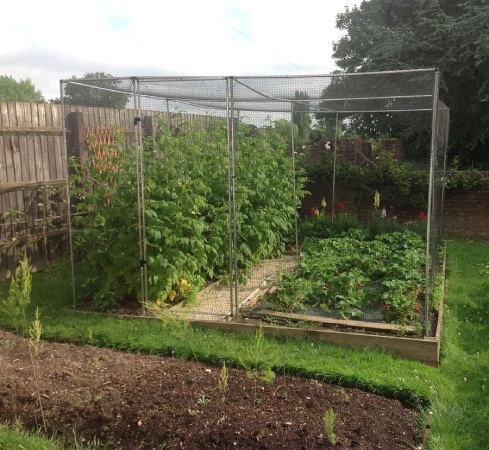
Buy Now At Gardening Naturally
Healthier Soil
Natural gardening enhances soil structure and fertility over time. Organic materials like compost nourish beneficial microbes, earthworms, and fungi that assist plants in efficiently absorbing nutrients.
Chemical-Free Food
Cultivating fruits and vegetables naturally ensures that your produce is free from harmful residues, making meals safer and more nutritious for you and your family.
Environmentally Friendly
By steering clear of chemicals, you safeguard pollinators such as bees and butterflies, mitigate water pollution, and reduce your carbon footprint.
Cost-Effective
Natural gardening frequently utilizes homemade compost, kitchen scraps, and reusable materials, allowing you to save money over time.
Preparing the Soil Naturally
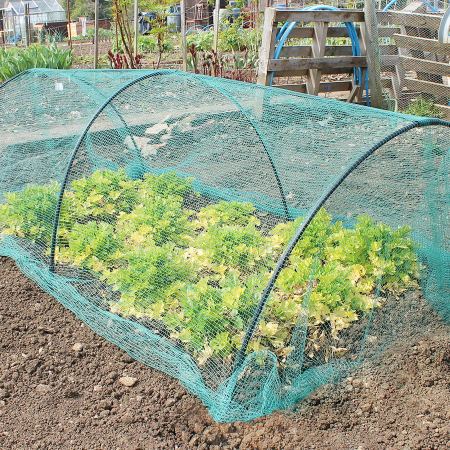
Buy Now At Gardening Naturally
Healthy soil serves as the cornerstone of a thriving natural garden.
Composting
Compost is essential for natural gardening. Composed of kitchen scraps, garden debris, and organic materials, compost enhances soil with nutrients and boosts moisture retention.
Mulching
Mulch aids in moisture conservation, weed suppression, and soil temperature regulation. Opt for natural mulches such as straw, leaves, wood chips, or grass clippings.
Avoid Tilling Too Much
Over-tilling disrupts soil ecosystems. Gentle cultivation helps to protect beneficial organisms and sustain soil structure.
Choosing the Right Plants
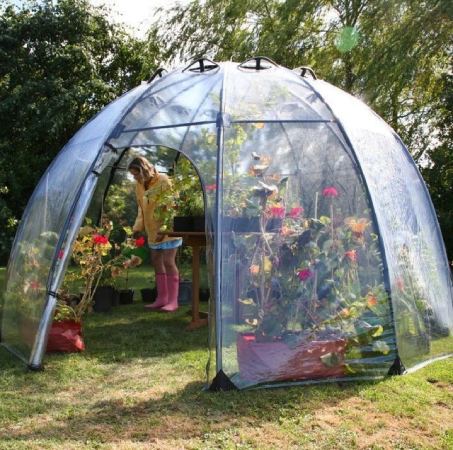
Buy Now At Gardening Naturally
Picking the right plants simplifies natural gardening and increases productivity.
Native and Adapted Plants
Native plants are well-suited to your local climate and soil, requiring less water and upkeep.
Seasonal Planting
Plant according to the seasons to minimize stress and pest issues.
Companion Planting
Certain plants thrive better together. For instance, placing basil near tomatoes can help ward off pests, while marigolds can deter harmful insects.
Natural Pest Control Techniques
Pests are an inherent aspect of gardening, yet natural techniques can manage them effectively without damaging the ecosystem.
Promote Beneficial Insects
Ladybugs, lacewings, and bees assist in pest control and enhance pollination. To attract these helpful insects, plant flowers such as dill, fennel, and cosmos.
DIY Remedies
Natural sprays created from neem oil, garlic, chili, or soap can manage pests efficiently without the use of harmful chemicals.
Manual Removal and Barriers
Physically removing pests or employing netting and row covers can help prevent infestations in a natural manner.
Watering Naturally
Proper watering is crucial for the health of plants.
Water Deeply and Infrequently
Deep watering promotes robust root systems and minimizes water waste.
Morning Watering
Watering in the early hours of the day decreases evaporation and helps avert fungal diseases.
Rainwater Collection
Gathering rainwater is an environmentally friendly method to irrigate your garden and lessen reliance on tap water.
Organic Fertilizers and Soil Enhancers
In place of chemical fertilizers, organic gardening utilizes natural alternatives.
- Compost tea for rapid nutrient uptake
- Well-rotted animal manure for soil enrichment
- Bone meal and wood ash for essential minerals
- Green manure crops like clover or alfalfa
These alternatives nourish plants while enhancing the long-term health of the soil.
Chemical-Free Weed Control
Weeds vie with plants for nutrients, but natural methods of control are effective.
Mulching
A thick layer of mulch obstructs sunlight and inhibits weed growth.
Manual Weeding
Removing weeds early on prevents their spread.
Ground Covers
Low-growing plants can cover bare soil and naturally limit weed encroachment.
Cultivating Naturally in Compact Areas
You don’t require a vast garden to cultivate naturally.
- Utilize containers, raised beds, or vertical gardens.
- Grow herbs on windowsills or balconies.
- Repurpose household containers for planting.
Natural techniques are equally effective in urban and small-space gardens.
Common Errors to Avoid in Natural Gardening
- Anticipating immediate results rather than gradual progress.
- Overwatering or underwatering your plants.
- Neglecting soil health.
- Misusing or overapplying natural products.
Patience and careful observation are essential for success.
Shipping Policy
- Orders are processed within 1 to 3 business days.
- The typical delivery time ranges from 5 to 10 business days, depending on the destination.
- Shipping fees are determined during the checkout process.
- Tracking information will be provided once the order has been shipped.
Refund & Return Policy
- Returns are permitted within 7 days of receiving the order.
- Items must remain unused and in their original packaging.
- Seeds, plants, and perishable goods are non-refundable unless they arrive damaged.
- Approved refunds will be issued within 5 to 7 business days back to the original payment method.
Conclusion: Growing in Harmony with Nature
Gardening naturally is a fulfilling journey that enhances your health, your garden, and the environment. By prioritizing soil health, biodiversity, and sustainable practices, you foster a balanced ecosystem where plants can flourish naturally.
Whether you are a novice or a seasoned gardener, adopting natural gardening techniques will enable you to cultivate stronger plants, enjoy cleaner harvests, and forge a deeper connection with nature—one plant at a time.